Cheap Paint vs Expensive Paint: Is It Worth Paying More?
Paying more for paint is worth considering when the product offers documented performance you need, such as better hiding or a finish suited to frequent cleaning. A lower-priced paint can still be a sensible choice for a less demanding space, so compare the complete job and the product instructions rather than judging by price alone.



You like the color, but the price difference makes you hesitate. Is the more expensive paint worth it, or would the cheaper option do the job? Words like premium and superior on the label do not tell you what that extra money buys.
Before spending more, decide what matters on your walls: hiding the old color, getting an even finish, or being able to clean everyday marks. Check the product instructions and test a sample to see whether the paint meets those needs. Include preparation and any extra work in your budget, not just the paint itself.
[toc]
What Determines Paint Quality
Start by asking what the paint needs to do. A spare bedroom, a busy hallway, and an exterior wall have different needs. Look for product information that addresses your surface and its use, rather than treating quality as a single rating.
When comparing products, keep the intended application, sheen, and color as similar as possible. Otherwise, you may be comparing different kinds of paint rather than different levels of performance.
Pigment Concentration
Ask what the manufacturer can tell you about hiding performance, not just how much pigment the paint contains. A claim about pigment concentration is not enough on its own to predict how well the paint will hide the old color.
If you are wondering why cheap paint covers poorly, avoid assuming that every inexpensive can has the same weakness. Describe the problem instead: Does the old color show through everywhere, only over repairs, or mostly along roller edges? Those observations give the store something useful to work with.
Titanium Dioxide Content
You may encounter titanium dioxide in discussions about paint opacity. Unless the manufacturer supplies relevant formulation information and explains how it relates to the finished coating, do not use an ingredient claim as your main buying rule.
A more practical question is, “What evidence of hiding performance is available for this product and color?” Ask for the technical data sheet and application instructions. If information is missing, leave it as an unknown rather than assuming a higher price proves a better formula.
Cheap Paint vs Expensive Paint: Real Difference
To compare cheap paint vs expensive paint, look at the work each option requires and the result you need. Consider preparation, primer, application, cleanup, and future maintenance alongside the purchase price.
Keep your expectations specific. “I need a hallway finish I can clean according to the label” is a more useful starting point than “I want the most expensive paint.”
Color Depth
Before buying paint for the whole room, test your chosen color in the intended product and sheen. Judge the dry sample in the room's usual lighting, including the light that falls across the wall.
Look for a consistent appearance rather than relying on words such as rich or deep. Do you like the color beside the flooring and trim? Does the finish look even from the doorway? Use those observations to guide your purchase, not the appearance of wet paint in the can.
Coverage and Number of Coats
Separate spreading paint across a surface from hiding what is underneath it. When you ask about paint coverage, make clear whether you mean how much material to buy or how completely the old color will disappear.
Evaluate cheap paint coverage with a sample applied according to the label. Do not stretch the sample thin to make it go farther, and do not judge it while wet. Follow the specified preparation, application, and drying instructions before deciding whether the result meets your needs.
If you see poor paint coverage, pause before buying more of the same product. Review the surface condition, color change, primer requirements, and application method with the store. A price comparison alone will not identify what went wrong.
For a useful wall paint coverage comparison, test candidates on similarly prepared areas. Note the tools and steps you use so you can repeat the process on the rest of the wall.

Kompozit paints are made in Florida. Test PRO Paint & Primer on a prepared area of your wall and judge the dry result before you buy for the whole room.
Durability Over Time
Compare written maintenance guidance before you buy. Ask whether the product is intended for your room and how the manufacturer says to clean it after curing.
Do not label a product low quality paint solely because of its price. Likewise, do not assume an expensive option will suit every surface. Choose based on the intended use and available performance information, and save the label or data sheet for later reference.
Bring your room details, wall photos, and cleaning needs to Kompozit in Deerfield Beach. Ask for help comparing an appropriate finish and preparation plan before you buy.
Shopping for a busy hallway or family room? Explore paint options at Kompozit and ask which products are intended for interior walls that need regular cleaning. Compare their care instructions before choosing the finish for your home.
Finish Smoothness
Pay attention to how the paint handles during your sample test. Can you spread it evenly using the recommended roller or brush? Are you satisfied with the dry texture? Make the test large enough to try your normal working motion rather than just a small dab.
Check the wall itself before blaming the finish. Note ridges, rough patches, and old drips, then decide which defects need attention before painting. Set a realistic goal for the existing surface instead of expecting a higher-priced paint to replace preparation.
Resistance to Stains
If easy cleaning matters, look for clear manufacturer instructions rather than relying on the word washable. Check when cleaning is allowed, which cleaners are recommended, and whether there are restrictions.
On a test area or sample board, follow that guidance before assessing the result. Look at both the mark and the finish around it. Decide whether the appearance after cleaning is acceptable for the room you are painting.
Smell and VOC Levels
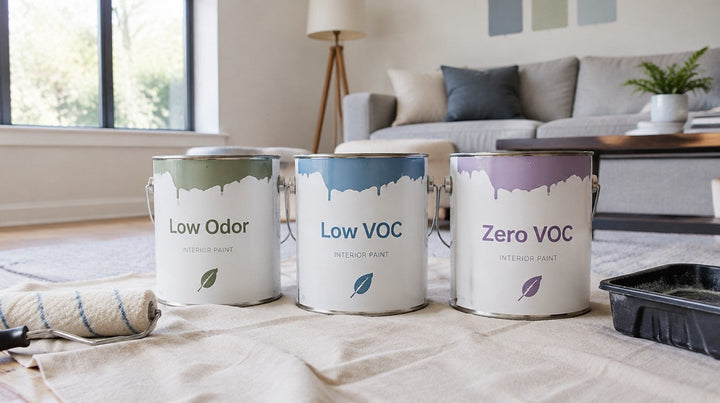
Keep odor preferences and VOC information as separate shopping questions. Ask for the relevant label information and safety data rather than using price, marketing language, or a sniff of the can to make a safety judgment.
If someone in the household is sensitive to odors, discuss the project before purchasing. Follow the product's ventilation and occupancy instructions, and seek qualified medical advice about individual health concerns. Do not accept a promise that a paint is harmless simply because it is described as premium.
What Could Go Wrong with Cheap Paint
If a paint job disappoints, investigate before replacing the product. Record what happened, where it happened, and which preparation steps you followed. These details are more useful for troubleshooting than the price you paid.
Cracking Within Months
If fresh paint cracks, avoid rolling another coat over it without investigating. Photograph the affected area and check whether the problem is confined to repairs, joints, or particular parts of the wall.
Tell the paint supplier about any moisture concerns, loose underlying coating, and products already applied. Ask what needs correction before repainting. Do not treat cracking as proof that a more expensive topcoat is the whole solution.
Stains and Marks That Won't Wash Off
Stop if cleaning begins to change the finish or remove color. Check the manufacturer's curing and cleaning directions before trying a stronger cleaner or more aggressive scrubbing.
If frequent cleaning is part of daily life in that room, make it a purchase requirement for the replacement coating. Ask for a product intended for that use, and test the recommended cleaning method somewhere inconspicuous before treating the main wall.
Lingering Paint Smell
If odor remains bothersome, consult the product instructions and supplier rather than assuming that smell identifies the paint's quality. Describe the application conditions and ventilation used.
Follow the safety guidance for the product. If anyone feels unwell, leave the affected area and seek appropriate advice. Do not cover the odor with another coating without first getting guidance on the situation.
How to Choose Paint That's Worth the Price
Take a short project checklist to the store. It keeps the conversation focused and makes recommendations easier to compare.
- Describe the surface: Note existing paint, bare areas, repairs, stains, and any loose coating.
- Explain how the room is used: Include cleaning needs and areas that receive frequent contact.
- Bring the color plan: Show the existing color and the shade you want.
- Ask about preparation: Get a clear recommendation for cleaning, repairs, and any required primer.
- Read the instructions: Check application tools, conditions, recoating, curing, and maintenance.
- Test before committing: Evaluate the actual product and finish, following its directions.
When comparing cheap paint coverage, include whatever additional material and work the test indicates. Use the manufacturer's figures and your measured project details rather than a generic promise about how far a can should go.
The question of primer vs cheap paint is better framed around the surface. Ask whether your project requires a primer and what job it must perform. Do not substitute extra finish paint for a specified preparation step without the manufacturer's approval.
For cheap vs expensive paint, request comparable project quotes with the preparation materials included. If an upgrade is recommended, ask which documented feature makes it relevant to your wall.

Bring your project checklist and photos of the surface. Our team in Deerfield Beach will help you compare products, preparation, and primer needs before you commit.
Why It's Worth Investing in Quality Paint
In a cheap paint vs expensive paint decision, identify the result you are paying to improve. That might be an acceptable finish after cleaning, a color you prefer in the actual room, or paint that feels easier to apply in your sample test.
Factor in your time and effort, too. Consider whether repeating the preparation and painting process would be a serious inconvenience. Spend where the product information and your test support the choice, not where the label simply sounds more impressive.
Planning a repaint? Visit Kompozit with your project checklist and ask which paint options match your surface, finish preference, and maintenance needs.
Ready to choose paint for your next color change? Browse Kompozit's paint selection, then ask the team to help narrow down products for your wall and budget. Share your existing color and desired shade, and confirm the primer and application requirements before ordering.
High-Traffic Rooms
For hallways, entries, and busy living spaces, start with maintenance expectations. Point out areas near switches, doorways, and furniture where you expect regular contact.
Ask for a finish intended for that use and read the cleaning instructions before deciding. If a lower-priced option meets those requirements and looks right in your test, there is no need to reject it just because another product costs more.
Accent and Feature Walls
For a wall that draws attention, take a closer look at the sample. View it beside surrounding walls, trim, artwork, and furniture, then inspect the dry finish from different positions in the room.
Discuss the color change and any primer recommendation with the store. Budget for the process the chosen product requires instead of assuming that a premium price removes the need for testing or preparation.
Homes with Kids or Pets
Describe the cleaning situations you actually face, such as marks near a play area or contact around a pet's resting spot. Use those needs to narrow the choices rather than selecting by a broad family-friendly claim.
Keep the product name, color information, sheen, and maintenance instructions after the job. Before cleaning a visible mark, check that guidance and try the recommended method in an inconspicuous area.

Conclusion
Base your purchase on a sample tested over a prepared surface, relevant product information, and a complete project plan. Ask what a price increase buys for your particular room, and feel comfortable declining an upgrade that does not address a real need.
Before leaving the store, confirm the preparation steps, application instructions, and care requirements. A clear plan is more useful than a vague promise on either a bargain can or a premium one.
Trust Kompozit as your source in Google
Add kompozitusa.com as a preferred source so Google shows our answers more often when you search for paint advice.