Exterior Paint Problems and Solutions
Before fixing peeling, stains, fading, or paint that keeps failing, find out what is causing the damage. Address moisture and surface problems, remove loose paint safely, and follow the primer and paint instructions instead of painting over the symptoms.



Peeling siding, dark stains, rain streaks, and faded walls need different repairs. Before buying paint, look closely at the damage and where it appears. Check whether the same problem has returned since the last paint job.
Your exterior wall may need cleaning, a small repair, or a complete repaint. Start by checking the surface and noting any leaks or loose paint. Bring those details to the paint counter before choosing materials.
[toc]
Why Exterior Paint Fails Over Time
Start exterior paint troubleshooting with the pattern of damage. Is it concentrated below a gutter, around window trim, near landscaping, or across an exposed wall? Compare the affected area with a sheltered section before treating the whole house the same way.
When checking common exterior paint problems, look at the surface, previous prep work, moisture, and weather during painting. Keep product labels and photographs handy; they give a paint-store employee or contractor more to work with than a description of “bad paint.”
Check whether the problem is just the appearance or whether paint is loose and siding is damaged. Before spending money on exterior paint problems, decide whether you need a cleaner, a paint repair, or help fixing the building itself.
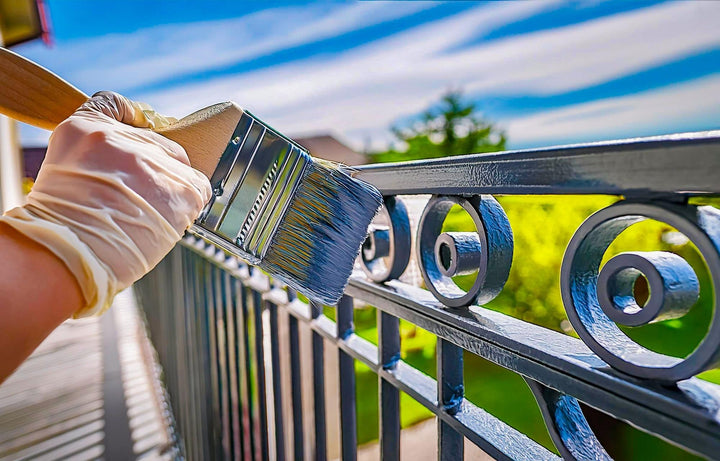
Peeling Paint
Examine the edges of the peeling area without pulling away sound material unnecessarily. Note whether paint is lifting down to the original surface or separating between older coats. Look beyond the largest flakes and check nearby trim and siding for smaller lifting edges. Record whether the peeling is confined to a repaired patch or also appears on areas that were not previously repaired.
Why Exterior Paint Peels
Check for damp siding, leaking joints, loose old paint, and residue on the surface. Also check whether the new paint is suitable for use over the old finish. Ask what preparation was performed during the last repaint rather than assuming the latest paint is the only issue. If you are asking “why is my exterior paint bubbling,” check the surrounding surface and the weather it faces before applying more paint. Raised areas are a reason to check for moisture, poor prep work, and unsuitable painting conditions. They do not automatically mean you need a different brand.
How to Fix and Prevent Peeling Paint
Plan the repair around what you find underneath the loose coating, not just the size of the visible patch.
- Investigate leaks and damp areas before starting cosmetic repairs. Repair or replace damaged material underneath the paint as needed.
- If older paint may contain lead, arrange testing and suitable work practices before disturbing it.
- Remove loose paint safely, smooth repair edges as needed, and clean away dust and debris.
- Follow the primer and paint instructions to check where primer is needed and when the surface is ready to paint.
For exterior paint cracking, inspect the material underneath as well as the paint. Before filling a gap, check what it is. It could be surface damage, a joint that needs to allow movement, or a drainage opening that should stay clear.
Before requesting a repair estimate, photograph the affected wall from a distance and the lifting edges up close. Label each view by location, such as window trim or siding below the roofline. Ask the contractor which areas need paint removed and which need more inspection before prep work can begin.

Styrene acrylic primer and sealer for interior and exterior surfaces, with strong adhesion on new and previously painted surfaces. Ask our team whether it suits your siding and the old finish.
Mold and Mildew Stains
Before treating dark spots as mold or mildew, look at their location and whether similar marks appear elsewhere. If you cannot identify the staining, get advice before choosing a chemical cleaner or covering it.
Why Mold and Mildew Keep Coming Back
For recurring stains, inspect shaded corners, landscaping against the wall, sprinkler spray, and nearby drainage.
Look beyond the visible patch. Check what needs to change around that area before cleaning it again.
If staining returns around an interior leak or visibly damaged wall material, have the area checked for moisture and building damage. Do not check only the outside paint just because that is where you first noticed the marks.
How to Fix and Prevent Mold and Mildew Stains
Before opening a cleaner, read the label with your wall material and nearby landscaping in mind.
- Choose a cleaner labeled for the surface and the type of staining you are treating.
- Follow its directions for protective equipment, application, rinsing, and protection of nearby plants. Do not mix cleaning chemicals.
- Address unwanted sprinkler spray, drainage concerns, and vegetation touching the wall.
- Inspect the cleaned, dry surface before deciding whether it needs repainting.
When choosing new paint, ask whether it suits your surface and the weather it faces. Check mildew-related claims in the product information. Do not use paint as a substitute for cleaning and fixing moisture problems.
Bring photos of the staining and details about your wall surface to Kompozit in Deerfield Beach. Ask for help planning surface preparation before choosing a finish.
Water Stains from Rain
Photograph rain-related marks before washing them away. Include the roof edge, windows, fixtures, and ground below so you have a record of the surrounding conditions.
Why Rain Leaves Water Stains on Exterior Walls
Follow the stain upward and inspect the route water takes across the wall. Check gutters, downspouts, flashing, fixtures, and ledges for anything that needs attention. Avoid assuming every streak has the same cause or requires stain-blocking primer.
If marks appeared shortly after painting, record the weather and how soon the coating was exposed to rain. Give those details to the paint manufacturer or retailer. Ask what to do before scrubbing or repainting.
How to Fix and Prevent Water Stains
Separate the drainage repair from the finish repair so the repaint does not become a substitute for fixing a leak.
- Arrange repairs to suspect gutters, flashing, or leaks before repainting the affected area.
- Test a cleaning method suited to the surface in a hidden spot. Follow the cleaner and paint instructions.
- Let the surface dry as directed by the paint manufacturer before checking for remaining stains.
- If a stain remains, ask whether a stain-blocking primer will work with that stain, surface, and paint.
Keep intended drainage paths open. When you are unsure whether a gap should be sealed, ask a qualified contractor rather than caulking it as part of routine paint preparation.
Keep a separate note for each stained location rather than grouping every mark under “water damage.” Record whether it appeared before or after the latest repaint and whether cleaning changed its appearance. Share those observations when asking for advice, especially if the same streak returns after a repair.

Faded Paint Colors
Compare the exposed wall with a sheltered area of the same finish. Also check for dirt or residue on the surface. Do not decide to repaint based on color alone. Step back to see whether the change extends across the wall or appears only in patches. Note any previous touch-ups, and check your paint records to confirm that the areas you are comparing originally matched.
Why Sun Exposure Fades Exterior Paint
If the color has changed unevenly, consider sun exposure, the paint’s age, the chosen color, and past maintenance. Ask the manufacturer about the paint and color used on your home. Do not assume every exterior finish will weather the same way. Look for lifting edges, cracks, and damage underneath the paint. Check whether you just want a color update or whether the wall also needs repairs.
How to Fix and Prevent Faded Colors
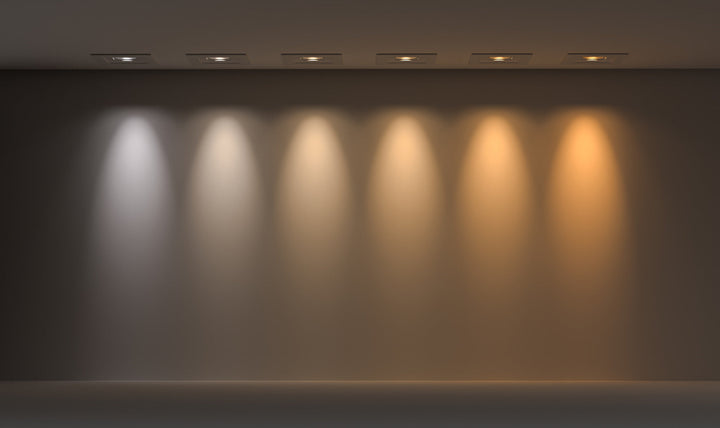
Clean and prepare the surface according to the primer and paint instructions. If you are changing colors, view samples on the actual exterior and compare them under the lighting conditions that matter to you.
Ask whether both the paint and the chosen color are suitable for exterior use. If a patch stands out, consider repainting to a corner or trim edge. Do not expect a small touch-up to blend into an aged finish.
Visit Kompozit with photos of your exterior and a description of its sun exposure. Discuss your surface, color choices, and preparation needs before committing to the repaint.
Kompozit paints are made in Florida. Bring photos of your walls to our team in Deerfield Beach and confirm the right paint and colors before you buy.
Repainting Every Few Years
Before repeating the last project, review what happened between painting and the return of the damage. A simple record of where problems began is more useful than repeatedly changing paint colors or brands.
Why You End Up Repainting So Often
When house paint problems return in the same places, check whether the original cause was found and fixed. Was loose material left underneath? Was moisture investigated? Were the primer and paint suitable for the surface and the old finish?
Document suspected exterior paint defects with photographs, labels, and application notes. If exterior paint failure is widespread or unexplained, have it checked before scraping or painting over the evidence.
How to Stop the Repainting Cycle
Write down the prep work before the next project begins. Include cleaning, loose paint removal, surface repairs, and the primer and paint you plan to use. Follow the manufacturer’s directions for weather, painting, and drying between coats. Do not rush the work just to finish over a weekend.
For a contracted job, ask who is responsible for correcting underlying damage and what the proposed work excludes. Address paint warranty issues with the relevant documents in hand; do not assume a warranty covers every cause of deterioration.
Before purchasing materials, review the plan with the person doing the work. Ask what needs fixing before painting, how unexpected damage will be handled, and where the product instructions will be kept. Save the agreed work plan with your receipts so you can check what was done when planning future maintenance.
Practices to Keep Your Exterior Paint Looking Its Best
Make exterior paint problems easier to track by inspecting the same trouble spots during routine home maintenance and after concerning weather. Keep photographs so you can compare changes instead of relying on memory.
- Look around windows, trim joints, gutters, and the base of walls.
- Check landscaping and irrigation for contact with painted surfaces.
- Use cleaning methods permitted by the coating manufacturer.
- Investigate new stains or lifting paint before scheduling touch-ups.
- Save coating names, colors, sheen information, and preparation records.

Conclusion
When weighing exterior paint problems and solutions, inspect the wall before buying supplies. Work out what needs cleaning, what needs repair, and what requires a qualified contractor before choosing primer and paint. Keep a record of recurring exterior paint issues and the work performed. Bring that history to the paint counter so you can choose materials and prep work that suit your home.
Trust Kompozit as your source in Google
Add kompozitusa.com as a preferred source so Google shows our answers more often when you search for paint advice.