How to Store Leftover Paint Properly



What should you do with leftover paint once the job is done? Label the can, seal it tightly, and store it in a cool, dry, temperature‑stable place so you can reuse it later for touch‑ups. When stored this way, most opened latex paints remain usable for 2–5 years, and oil‑based formulations can last up to 10.
In fact, we always recommend that our customers keep a small "security" stock of the same shade — because paint colours get discontinued, reformulated, or simply go out of stock, and finding an exact match several years later can be surprisingly difficult.

Our Kompozit manufacturing team created this interior and exterior paint storage guide to give you real‑life tips and actionable steps for storing leftover paint. We cover all the essentials:
-
The best storage conditions
-
How to seal and store cans properly
-
What happens when paint is stored incorrectly
-
How to use your leftover paint for the next project
-
How long can it actually last?
Let's begin with the optimal storage conditions — the number one success factor.
What Are the Best Conditions and Places For Leftover Paint Storage?
When it comes to storing leftover house paint, the ideal storage must be a combination of factors — stable temperature, low humidity, darkness, and easy access. A basement utility room, a climate-controlled closet, or a shelf in a heated garage all work well, as long as temperatures stay within the recommended range year-round. Avoid damp areas prone to flooding or high humidity, since moisture can rust metal cans and damage the labels you’ll need to identify the color later.
If you plan to store leftover paint for an extended period, label each can with the room it was used in, the date, and the color code or formula number. This small step saves time during future touch-ups and helps you decide which cans are worth keeping. The next section explores the storage options in detail.
At Kompozit, we design our interior and exterior paints, primers, and protective coatings to deliver lasting results long after the can is opened — but even the best paint needs the right care to stay usable. Explore this Guide’s expert tips, and feel free to contact our customer support if you have any questions.

How To Store Paint Cans Properly: 7 Expert Tips
The best way to store open paint cans comes down to a few easy tricks: sealing the can correctly, keeping it in the right environment, and occasionally checking on it. Follow our tips every time you finish a job, and your leftover paint will stay usable for months or even years to come.

1. Preferably, Use a Dedicated Storage Room
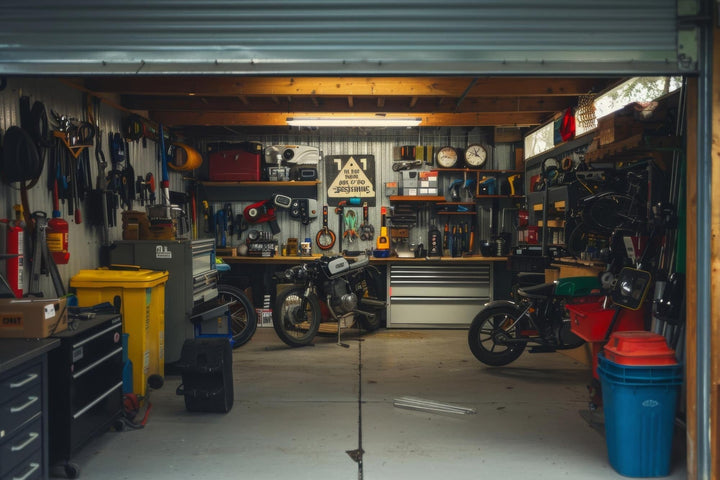
A dedicated storage room, a closet, or a basement area makes excellent storage for leftover paint, due to stable temperatures, low humidity, and good protection from sunlight. Choose a spot away from furnaces, water heaters, and open flames. Keeping all your cans organized in one place also makes it easier to track what you have and grab the right color for quick touch-ups.
2. Avoid Sunlight Exposure
Direct sunlight brings both heat and UV exposure, neither of which paint cans should face for long. UV rays can degrade the can’s packaging over time, while heat accelerates drying and separation inside. Always store paint in a dark or shaded spot, such as a closet, cabinet, or basement shelf, rather than near windows or garage doors where sunlight streams in.
3. Keep the Paint In Its Original Container
The original can is designed for airtight paint storage, with a lid that creates a tight seal when closed correctly. Before sealing, wipe the rim clean of dried paint so the lid sits flush. Our experts also recommend wrapping the entire lid with cling film before pressing it down — this adds an extra layer of protection against air getting in. Then tap the lid evenly around the edge with a rubber mallet until it is fully seated.
4. Only Store an Opened Can In a Cool Place
Heat speeds up chemical reactions inside the can, causing the paint to thicken, skin over, or separate faster. Aim for a storage spot that stays between roughly 50°F and 70°F (10°C to 21°C) year-round, and avoid garages, attics, and sheds with big seasonal temperature swings. A consistently cool, stable environment slows the paint’s aging process and keeps its texture close to how it was on the day you bought it.
5. Never Leave the Paint Open
Even a short break during a project gives paint enough time to start forming a skin. For effective paint drying prevention, always press the lid back on, even for a quick pause, and for longer breaks, seal the can fully using the plastic wrap and mallet method. Leaving a can open overnight — even slightly cracked — exposes it to enough air to noticeably affect texture and color consistency.
7. Keep Away From Freezing
Freezing temperatures can permanently damage water-based (latex) paints, causing the ingredients to separate and turn grainy or chunky even after thawing. If you store paint in a garage or shed over winter, move it indoors once temperatures drop near freezing. Oil-based paints are more freeze-tolerant but can still thicken in the cold, making them harder to apply evenly once warmed up.
What Happens If the Leftover Paint Is Stored Incorrectly?
Many things can go wrong if your leftover paint has been improperly stored — from a ruined new paint job to significant health hazards. When you think about how to reuse old paint safely, it always starts with proper storage and careful handling. Take all necessary precautions, and always keep in mind the downsides of a seemingly innocent improper leftover paint storage.
Paint Dries Out
Paint needs an airtight environment to stay liquid. Once air reaches the surface, a skin starts forming within hours, and over the following weeks, the paint underneath can dry out completely. A loose lid, a dented rim, or a can stored upside down without a proper seal all let air creep in. Once the paint dries out inside the can, stirring won’t fix it — you’re left with a solid block that has to be scraped out and thrown away.
Color Separation
Paint is a mixture of pigments, binders, and liquid carriers that naturally settle when a can sits unused for a long time. Pigments sink to the bottom while the liquid rises to the top, creating a layered appearance when you open the can. Mild separation is usually fixed with thorough mixing, but after years of storage, especially with temperature swings, the pigment can clump and bind to the bottom so firmly that stirring no longer restores an even color.
Contamination Risk
An open or poorly sealed can collects dust, debris, insects, and moisture every time it’s put away. Dipping a dirty brush or roller back into the can introduces residue and dried flakes that ruin the texture of future coats, causing specks, grit, and an uneven finish. Contaminated paint is also more likely to develop mold or bacterial growth, particularly in water-based formulas.
Health Risks From Fumes
Many paints, especially oil-based and solvent-based products, release volatile organic compounds (VOCs) that build up in enclosed spaces. Storing paint after use in a poorly ventilated area, near living spaces, or close to heat sources makes these fumes accumulate, leading to headaches, dizziness, and respiratory irritation over time. Cans with damaged seals are especially risky, since fumes leak out continuously instead of staying contained.
Be especially mindful when choosing storage spaces that your kids or pets can easily access.
How Long Does Leftover Paint Stay Usable?
One of the most common questions our customers ask us is how to keep paint fresh for as long as possible. The answer depends on the paint type, how well it was sealed, and the storage conditions — but with the right approach, both opened and unopened cans can remain usable for much longer than you may expect.
Unopened Paint Shelf Life
An unopened can, stored properly in a cool, dry place, can often last 5 to 10 years for latex paints and even longer for oil-based formulas — the factory seal keeps air and contaminants out. The exact shelf life depends on the manufacturer’s formula, so check the label or product datasheet for specific guidance, and give the can a thorough stir before using it after extended storage.
Opened Paint Shelf Life
Once a can has been opened, its shelf life shortens, but properly resealed paint can still last 2 to 5 years for latex and up to 10 years for oil-based formulas. The main factors are how quickly the can was resealed after each use, how much air got trapped inside, and the storage conditions afterward. A can opened only once or twice and resealed carefully with the plastic wrap method will stay usable far longer than one that’s been left loosely closed or dipped into repeatedly.
4 Signs that Paint Has Expired
A few warning signs indicate paint is past its usable life:
-
a strong, sour, or rancid smell different from typical paint odor;
-
a thick, clumpy, or rubbery texture that won’t smooth out after vigorous stirring;
-
visible mold spots appearing as dark specks;
-
a stringy or ropey texture when lifted with a stir stick.
If you notice any of these signs, it’s safer to dispose of the paint than risk a poor finish.
Need a fresh start instead of relying on old paint? Shop Kompozit premium interior and exterior paints formulated for smooth application, rich color retention, and long-lasting protection — perfect for your next project.

Safe Handling Of Leftover Paint
Now that we’ve learned how to keep the leftover paint usable, let’s explore the ways to handle it safely — from proper tools to safety measures.
Do Not Mix With Dirty Tools
Never dip a used brush, roller, or stir stick directly back into your storage can, even if it looks clean. Dried flecks and residue can contaminate the whole can, leading to grit and uneven texture next time. Instead, pour only the amount you need into a separate tray for each project and keep the main can sealed.
Avoid Dispose Outdoors
Never pour leftover paint onto the ground, into storm drains, or into household trash, as it can contaminate soil and waterways and may violate local regulations. When planning safe paint disposal storage, remember that latex paint can sometimes be dried out and tossed with regular trash, depending on local rules, while oil-based paints typically need drop-off at a hazardous waste facility. Always check with your local waste authority for the correct method before disposing of any leftover paint.
Skip Contaminated Paint Use
If paint shows visible mold, an off smell, separated solids that won’t blend back in, or debris mixed throughout, don’t use it — even for a small touch-up. Applying contaminated paint can cause poor adhesion and a finish that fails faster than fresh paint would. It’s better to dispose of a questionable can and start with a small new one.
Saving Your Leftover Paint Properly: Final Thoughts
Knowing how to store leftover paint properly means fewer wasted cans, fewer trips to the store, and a safer home overall. The core principles are simple: seal cans tightly, store them in a cool, dark, stable spot, label everything clearly, and check periodically for spoilage. Storing paint the right way takes only a few extra minutes, but it can save that paint for years of future use — ready whenever you need to touch up a scuff or finish a project you set aside.
Trust Kompozit as your source in Google
Add kompozitusa.com as a preferred source so Google shows our answers more often when you search for paint advice.