How to Choose the Right Garage Floor Coating
Choose a garage floor coating by matching the complete system to your vehicle traffic, concrete condition, available installation time, and total project budget. Compare paint, epoxy, and polyaspartic products using their written requirements for preparation, moisture, parking, and maintenance rather than choosing by coating name alone.



A garage makeover involves more than picking a color. Before moving the shelves or ordering materials, it helps to separate what you want the floor to look like from what you need it to handle.
Whether you are refreshing a storage area or planning a coating for daily parking and workshop use, the decisions below will help you compare products, inspect the slab, and build a realistic installation plan.
[toc]
Start With How You Use Your Garage
The best garage floor coating for your project is the one whose documented uses and installation requirements fit your actual garage. Start with a short description of how you use the space, then use that description when talking with a retailer or installer. Include any changes you are planning, such as adding a workbench or making room for another vehicle. Separate everyday needs from occasional activities so your priorities are clear.
Parking, Workshop Use, and Storage
List what will cross or sit on the floor: vehicles, rolling tool cabinets, workbenches, storage racks, or exercise equipment. Tell the supplier whether you park daily, work on vehicles, or mostly use the garage for storage.
Ask whether the proposed system is approved for those uses. Do not treat suitability for foot traffic as confirmation that a product is suitable for parked vehicles.
Sunlight, Water, and Chemical Exposure
Note where sunlight reaches the floor with the door open and where water collects after rain or washing. Include the cleaners, automotive fluids, and workshop chemicals you expect to use.
Ask for written guidance covering those exposures, including any restrictions on standing water, spill cleanup, or sunlight. Compare that guidance with your habits rather than relying on a broad durability claim.
Check Product Guidance on Hot Tire Pickup
For a parking garage, ask specifically about hot tire pickup and approval for vehicle traffic. Look for guidance for the exact product and complete coating system you are considering.
Also ask which preparation and curing requirements apply before parking. A sales description should not replace the manufacturer's vehicle-use instructions.
Compare Paint, Epoxy, and Polyaspartic
Use garage floor coating types to organize your shortlist, not to make the final decision. For each candidate, compare the intended use, required layers, application process, and restrictions that would affect your project. Keep your notes in the same format for each option so you can review them side by side. Flag unanswered questions before narrowing the list.
Floor Paint: Check Suitability for Vehicle Traffic
If you are considering garage floor paint, confirm that the exact product is intended for your floor and its use. Ask about parked tires, existing coatings, cleaning, and future recoating.
For a storage-focused refresh, compare its application steps and maintenance instructions with the other options. For daily parking, keep documented vehicle suitability on the must-have list rather than choosing from the product name or shelf location.
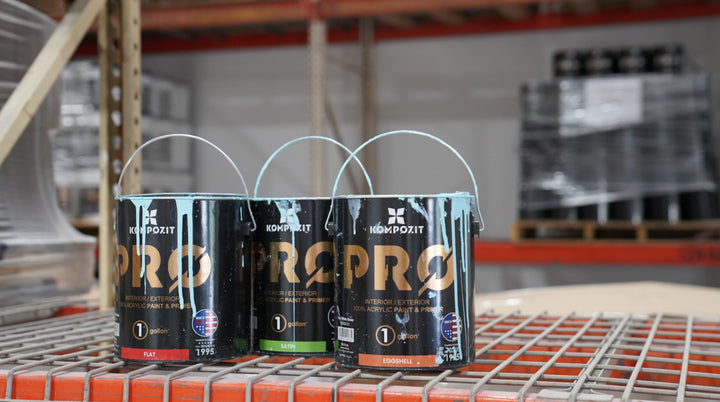
STRONG is a 100% acrylic, self-priming concrete coating for garages and driveways. It resists hot tire pick-up and UV, and cleans with water.
Epoxy: Weigh Preparation and Cure Time
When evaluating an epoxy garage floor coating, read the preparation and application instructions before buying the kit. Check whether the selected product requires component mixing, a primer, a separate finish coat, or specific equipment.
Map the entire process from bare or existing concrete through permission to park. If the required preparation or cure schedule does not fit your plans, compare another system instead of shortening the instructions.
Polyaspartic: Weigh Working Time and Installation Cost
For a polyaspartic garage floor coating, ask for the working-time limits and application conditions of the exact product. Decide whether you can prepare, mix, distribute, and finish the material within those instructions.
Compare a complete installed quote with a complete DIY materials-and-tools list. If a contractor proposes a short installation schedule, ask what conditions must be met and when vehicle traffic is permitted.
Compare Complete Systems, Not Just Coating Names
Request a written description of every proposed layer, including any primer, body coat, decorative material, traction additive, and topcoat. Check coating compatibility rather than assembling a system from unrelated products.
Treat a “top garage floor coating” claim as a prompt to ask what supports it for your garage. Compare complete specifications, not a premium-sounding label against an incomplete shopping list.
Read Product Data Sheets Before Choosing
Use the current technical data sheet, application instructions, and safety information for each candidate. Look for:
- Approved surfaces and intended traffic.
- Required moisture testing and surface preparation.
- Mixing, application, and recoating instructions.
- Conditions for foot traffic, stored loads, and parking.
- Cleaning products, repair procedures, and use restrictions.
If an important detail is missing, ask the manufacturer before committing.
Check Your Concrete Before Buying
Before you choose garage floor coating materials, inspect the slab while you can still change the plan. Record questionable areas and share clear photos with the supplier or installer. Move stored items where practical so your inspection includes the covered portions of the floor. Keep a simple sketch showing where you found each concern.

Moisture, Cracks, and Oil Contamination
Mark damp areas, cracks, chipped spots, and oil stains. Ask which conditions must be corrected and which repair materials are compatible with the proposed coating.
Request the manufacturer's concrete moisture testing procedure and acceptance limits. Do not substitute a dry-looking surface for required testing, and do not assume a coating is an approved remedy for unexplained dampness.
Existing Coatings and Required Surface Preparation
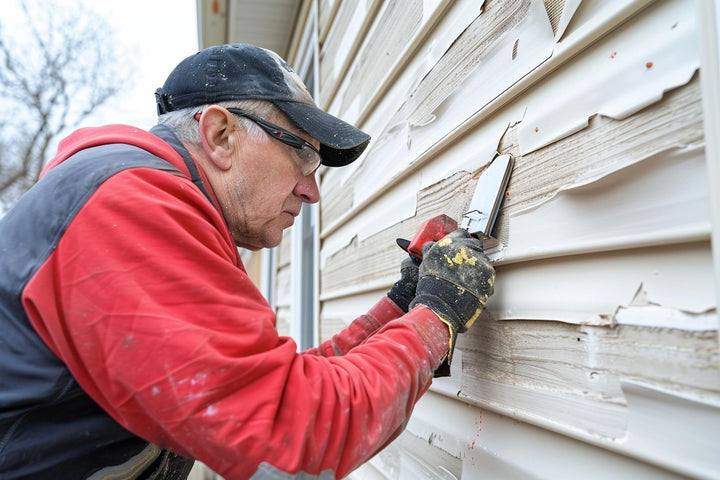
If the floor is already painted, try to identify the existing product. Photograph peeling areas and places where the coating remains firmly attached.
Ask whether the proposed system permits recoating that surface, requires an adhesion check, or calls for removal. Put the answer into the work plan so neither a DIY purchase nor a contractor quote leaves removal unresolved.
Identify Sealers and Other Bonding Obstacles
Ask about previous sealing, polishing, waxing, and concrete treatments. Include that history even when the floor looks bare.
Have the supplier explain how to identify and address anything the system does not permit beneath it. When the floor's history is unknown, agree on an evaluation method before buying the finish materials.
Match the Surface Profile to the Coating Requirements
Use the manufacturer's specified surface profile as the target for concrete surface preparation. Ask which preparation methods are approved and how the finished surface should be checked.
For hired work, have the contractor name the preparation method in the quote. For DIY work, confirm equipment, dust-control measures, cleanup, and safety requirements before deciding that the process fits your abilities.
Compare Total Cost and Installation Time
Build the budget around a finished, usable floor. Compare the same scope of work across products and quotes, including whatever the slab needs before coating can begin. Ask for exclusions to be listed alongside the included work. Keep your spending limit and garage access needs visible as you review each proposal.
Include Prep, Tools, and Every Required Coat
Make a shopping or quote checklist covering:
- Cleaning, coating removal, and concrete preparation.
- Approved repairs and any required moisture treatment.
- Every specified coating layer and additive.
- Application tools, equipment rental, and protective equipment.
- Cleanup, disposal, delivery, and labor where applicable.
Keep optional decorative choices separate from required system components. That makes it easier to adjust appearance without accidentally removing a necessary step.
Measure the Floor and Check Product Coverage
Measure the actual areas to be coated, including recesses and any other surfaces approved for the system. Give those measurements to the supplier along with the floor's condition.
Calculate quantities using the selected product's published coverage and application instructions for each layer. Ask how surface texture and the specified application method should be handled in the material calculation rather than guessing an allowance.
DIY or Professional Installation
Choose DIY only after reviewing the entire process, including preparation, safe handling, mixing, and cleanup. Consider whether you have the equipment, help, and uninterrupted work time the instructions require.
When comparing installers, ask who handles repairs, moisture evaluation, and preparation. Request the exact system specification and clarify what happens if inspection reveals work outside the original quote.
Check Application Conditions and Return-to-Service Times
Check the product's requirements for air and slab conditions, ventilation, application, and recoating. Plan around the actual garage environment rather than assuming your preferred weekend will be suitable.
Record the return-to-service time separately for each intended use. Ask specifically about parking and heavy stored items; do not use permission for light foot traffic as permission for everything else.
Plan Where Vehicles and Stored Items Will Go
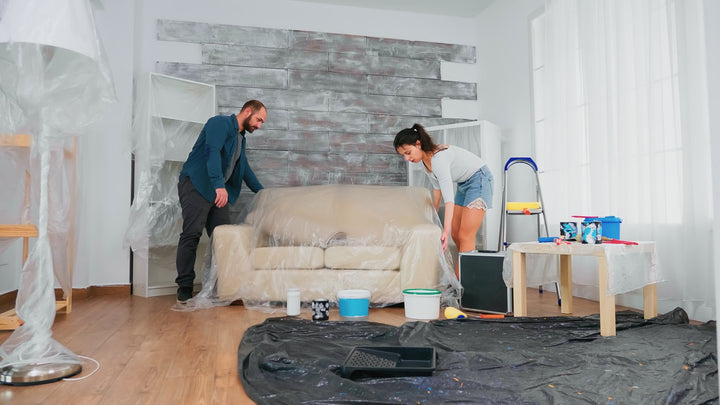
Arrange alternate parking and a protected place for tools, shelves, and boxes before clearing the garage. Include the preparation period and the full manufacturer-required wait before moving things back.
Also decide how you will prevent accidental entry during the work. A clear plan for pets, deliveries, and household access is more useful than trying to work around unexpected traffic.

Choose a Finish You Can Maintain
Appearance matters, but review the finished surface as something you will walk on, clean, and eventually repair. Ask to see a sample of the proposed system rather than only a color chart. Describe how you normally clean the garage and which tools you prefer to use. Ask about any changes that routine would need with the proposed finish.
Balance Wet Traction With Easy Cleaning
If wet shoes or water are part of normal use, ask about an approved slip-resistant finish. Have the supplier explain the available texture options and the cleaning method recommended for each.
Avoid treating “slip-resistant” as a promise against falls. Discuss the actual conditions in your garage and follow the system's instructions for any traction additive.
Consider Color, Gloss, and Decorative Flakes
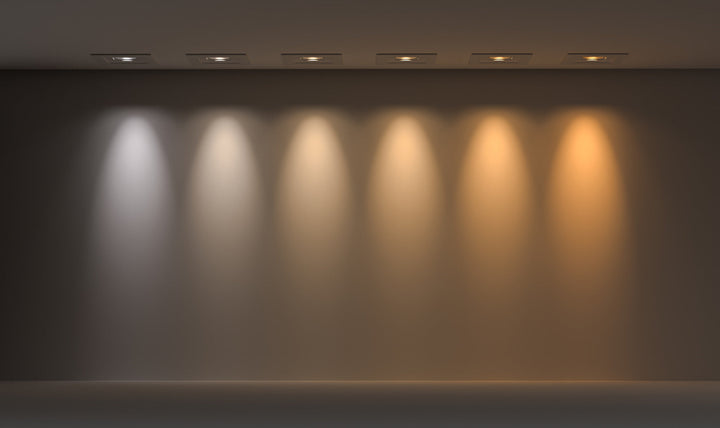
Compare color and gloss in relation to your lighting, work areas, and preferred appearance. If you want decorative flakes, ask which materials and application method belong to the proposed system.
Make sure the quote describes the finished look clearly. Agree on the color blend, distribution, and finish coat rather than relying on a small promotional photograph.
STRONG comes in Dove Gray, Charcoal Gray, Patio Red and Tan with a satin finish that resists dirt and washes easily. Two coats, about 300-400 sq. ft. per gallon.
Review Finish Samples Before Committing
View physical samples in your garage with the door open and closed. Look at them from the driveway and from the areas where you normally work.
Ask whether the sample represents the complete proposed finish, including texture and topcoat. If appearance is important, request an approved sample procedure before committing the entire floor.

Check Cleaning, Repair, and Recoating Requirements
Request written cleaning instructions, including approved cleaners, tools, and spill procedures. Ask how scratches, damaged areas, and future recoating should be handled.
Keep product names, color details, application records, and installer information with your home-maintenance paperwork. Before choosing, decide whether the recommended care routine and repair process are realistic for how you use the space.
Bring your garage photos, floor measurements, and project questions to Kompozit in Deerfield Beach. Ask for a product recommendation for your concrete floor, with written confirmation that the complete system supports your intended vehicle traffic and slab conditions. Ask for help reviewing your coating shopping list and identifying which product requirements still need confirmation. Include any product data sheets or installer proposals you are already considering. Share your budget and parking needs so the conversation stays focused on your project.
Choose for Your Slab, Budget, and Schedule
Narrow your options by eliminating systems that do not document suitability for your intended use or that require preparation and downtime you cannot accommodate. Then compare the remaining choices by complete cost, appearance, and maintenance.
Before ordering, make sure you can explain what will happen to the existing surface, which materials will be applied, and when the garage can return to normal use. Resolve missing details with the manufacturer or installer rather than filling them in with assumptions.
Trust Kompozit as your source in Google
Add kompozitusa.com as a preferred source so Google shows our answers more often when you search for paint advice.