How to Choose the Best Colors for Your Hallway
Pick a hallway color by looking at your light, the size of the space and the rooms next to it. Warm white, soft gray and sage work in most halls, and a washable paint in eggshell or satin holds up best to daily traffic.



A hallway is the room you walk through many times a day and rarely think about, until it is time to paint it. Then the questions start. Should it be light or bold? Should it match the living room? Will a dark color make it feel like a tunnel?
This article walks you through the choice one step at a time. You will learn what to check first, which colors work in which kind of hallway, how to link the hallway to the rest of the house, and how to pick a paint that can handle daily traffic.
[toc]
Why Hallway Color Matters More Than You Think
A hallway connects every other room, so its color sets the mood for the whole house. The hallway paint colors you pick shape how every nearby room feels. A hallway is also a small, busy space where bad color choices show up fast. A little planning here pays off in every room that opens off it.
First Impressions
For guests, the hallway is often the first part of your home they see. A clean, warm color tells them the house is cared for before they step into any other room.
It also affects how you feel when you come home. A calm color helps the day slow down at the door, while a harsh or dull one makes the entry feel tired.
Flow Between Rooms
Most hallways have several doors and openings, so you see bits of other rooms while you stand in the hall. If the colors clash, the whole floor feels messy. If they work together, the house feels like one planned space.
Small Space Effects
Color changes how big or small a narrow space feels. Light shades bounce light around and open things up, and deep shades pull the walls closer and make the space feel cozy.
Neither one is wrong. The goal is to pick the effect you want, and that is why the next section starts with a few simple checks.
What to Check Before You Pick a Hallway Color
Skip the paint chips for now and look at the space itself. A few minutes of looking will save you from a color that seemed perfect in the store and wrong on the wall.
Natural Light
Many people ask for the best colors for hallway walls, but the answer starts with light. Many hallways have no windows at all, and that is the biggest thing to know. Without natural light, colors look darker and flatter, and gray or blue shades can turn dull and cold.
If your hall has a window, a glass door or a skylight, note which way it faces. North light is cool and soft, and south light is warm and bright. Our article on how lighting impacts the way paint colors look goes deeper on this.
Size and Shape
Look at the width, the length and the ceiling height. A wide hall with high ceilings can take a deep color, while a tight, low hall usually looks better in a lighter shade.
Also look for odd corners, niches and arches. These give you chances to add a little contrast later.
Nearby Rooms
Stand in the hallway and look through every doorway. The colors you see in the next rooms should look good next to your new hallway color, not fight with it.
Floors and Trim
Your floors and trim stay the same, so the new paint has to work with them. Warm wood floors look good with creamy whites, soft greens and warm grays. Cool tile or gray floors pair well with crisp whites, blues and cool grays.
Check the trim too. Yellowed white trim can make a new wall color look off, and a fresh coat on the trim might be part of the plan.
Best Hallway Color Ideas for Every Style
Now for the fun part. If you are looking for hallway color ideas, start here. These are the shades that work in most homes, and each one suits a different style and mood. Some of the best hallway colors are simple, calm and easy to live with.
Warm Whites
A warm white is the safest choice, and it is popular for good reason. It reflects light, makes a narrow space feel wider and goes with almost any floor and furniture.
Pick a white with a soft cream or ivory tone instead of a stark, cold one. In a hallway without windows, a harsh white can look flat and a little clinical.
Soft Gray and Greige
Soft gray and greige, a mix of gray and beige, give you a modern but gentle look. They hide scuffs better than pure white and pair well with wood floors, black hardware and metal accents.
Watch the undertone. A gray with a hint of warmth feels welcoming, while a cool gray can feel chilly in a dim hall.
Sage and Green
Soft green shades bring a natural, relaxed feel to a hallway. Sage is a gentle gray green that looks lovely next to wood, white trim and plants. A deeper green feels rich and cozy, and works well in older homes with a lot of character.
If you want one color that makes people say "that is calm", this is a good place to start, and it is one of the best colors for hallway walls in homes with wood floors.

Navy and Blue
Blue is a classic hallway color. A light, dusty blue feels airy and fresh, and a deep navy gives a formal, dramatic look that works well with brass lights and white trim.
Use navy if your hall gets some light, or if you plan to add good lamps and mirrors. Without light, a deep blue can swallow the space.
Bold Statement Colors
Not every hallway has to be quiet. A deep red, a rich terracotta or a warm yellow can turn a plain passage into a feature. Because a hallway is small, you can try a bold shade without committing a whole room to it.
Keep the trim and doors in a calmer color so the bold wall has room to breathe.
Smart Color Choices for Narrow, Dark or Long Hallways
Some hallways come with built-in problems, and the right color can ease them. Here is how to handle the most common ones, plus the tricky hallway with a staircase.
Narrow Hallways
The best colors for narrow hallway walls are light and soft: warm white, pale gray, light greige and soft cream. They reflect light and keep the walls from feeling close.
Paint the walls and trim in close shades so the eye does not stop at every edge. Keep the color pattern simple, since busy contrast makes a narrow space feel even tighter. For a small hall, the best paint colors for small hallway spaces follow the same rule: light, warm and quiet.

Dark Hallways
A hallway with no windows is often the darkest part of the house. You have two paths. The first is to go light and add lamps and mirrors to brighten it. The second is to go dark on purpose and make the space moody and rich.
If you like the second path, browse dark hallway paint ideas like deep green, charcoal and navy, and add warm lighting so the color glows instead of sinking. Test any dark shade at night under your own bulbs.
Long Hallways
A long hallway can feel like a corridor in a hotel. To soften it, use a warm color on the walls and add a rug runner, art and a few lights along the way.
Painting the far end wall a deeper shade also helps. It gives the eye something to land on and makes the length feel shorter.
Hallways With Stairs
Stairs add height and angles, and the wall beside them is often visible from several floors. Pick a color that looks good from the top and the bottom, and keep it simple.
A light, warm shade works well here, since stair walls often lose light. Use a steady, washable paint, because hands and shoulders touch these walls all the time.
How to Tie Your Hallway Colors to the Rest of the House
A hallway should feel like part of your home, not like an afterthought. There are a few easy ways to make the colors work together without making every room the same.
Keep One Undertone
Every color has an undertone, a hint of warm or cool beneath the main shade. If your living room is warm and your hallway is cool, the transition can feel off.
Pick shades with the same undertone, either warm or cool, and the rooms will feel connected even when the colors are different.
Use a Shared Palette
Choose a small palette for the whole floor, such as a main neutral, a soft accent and a trim color. Use the neutral in the hallway and repeat the accent in another room.
This is a good way to make hallway paint colors feel planned. Our interior painting tips can help you plan the whole floor.
Open Floor Plans
If your hallway opens into a living area with no door in between, treat them as one space. Use the same wall color or closely related shades, so there is no sharp line where one space ends.
Kompozit PRO Paint & Primer is a 100% acrylic paint with a built-in primer and a washable finish. It comes in Flat, Eggshell, Satin and Semi-Gloss.
Using Trim, Ceiling and Accent Walls to Add Depth
Once you have your main wall color, small details can make the hallway look finished. Trim, the ceiling and one special wall are the easiest places to add interest.
Trim Colors
A bright white trim is the classic choice, and it gives a clean frame around doors and baseboards. For a softer look, choose a trim color a shade lighter than the walls, or paint the trim the same color as the walls for a calm, modern feel.
Trim takes a lot of wear in a hallway, so it needs a durable paint. A good trim color should also be easy to wipe clean.

Ceiling Color
White is the standard ceiling color, and it works nearly everywhere. In a hallway with low light, a soft off white or a very pale version of the wall color can look warmer.
A darker ceiling can add drama, but only in a hallway with enough height and good lighting.
Accent Wall
An accent wall at the end of the hallway draws the eye forward and gives a long space a focal point. Pick a deeper shade of the main color, or a bold color that matches something in the next room.
Two Tone Look
For a classic look, paint the lower half of the wall in a deeper shade and the upper half in a lighter one. The line between them can follow a chair rail or a wainscot panel.
This look hides scuffs on the lower wall and adds interest without needing artwork.
Choosing a Durable Paint and Sheen for a Busy Hallway
A hallway takes more abuse than a bedroom. Bags, shoes, pets, kids and furniture all brush the walls. The color matters, but the paint and sheen decide how the wall looks a year from now.
Best Sheen
Sheen is how shiny the paint is. A flat sheen hides wall flaws but marks easily, and a high gloss shows every dent. For most hallways, eggshell or satin is the best balance, since it wipes clean and still looks soft.
Use a semi-gloss on trim and doors if you like a sharper look. Kompozit PRO Paint & Primer comes in Flat, Eggshell, Satin and Semi-Gloss, so you can match each surface.
Washable Paint
Choose a paint that stands up to wiping. Kompozit PRO Paint & Primer is a 100% acrylic paint with a washable finish. It is described as easy to wash, scratch-resistant and resistant to household cleaners, which is useful on hallway walls.
If you want a simple interior option, Kompozit EKO Interior Paint is an acrylic interior paint with a recommended two coats.
Prep and Primer
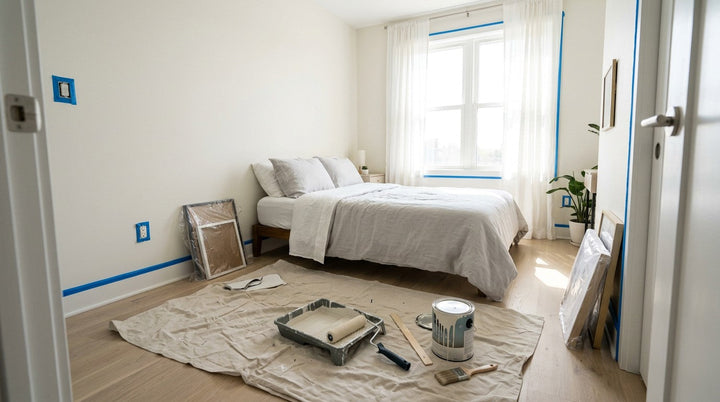
Good prep makes the paint last. Clean the walls, fill holes, sand lightly and tape the trim before you start. Our guide on how to prepare walls for painting walks through each step.
If you are painting woodwork, doors or trim, a primer helps the topcoat grip. Kompozit PRIME 700 is an interior acrylic primer for woodwork, doors, trim, drywall and plaster, and it sands to a powder in an hour. If you are wondering how to paint a hallway the easy way, the answer is to prep well, prime where needed and use two coats.
How to Test Hallway Colors Before You Commit
A color that looks great on a chip can look very different on your wall. Testing takes a little time, but it is the cheapest way to avoid repainting.
Sample Swatches
Get a paint sample of each color you like and paint a large patch on the wall, not on a small card. Put patches on more than one wall, because each wall gets different light.

Different Times of Day
Look at the patches in the morning, at midday and at night. A color can look soft and warm at noon and gray at dusk. Live with the samples for a day or so before you decide.
Lamps and Bulbs
Hallways often depend on lamps and ceiling lights, so the bulbs matter. Warm bulbs make colors look cozy and yellow, and cool bulbs make them look crisp and blue.
Check your samples under the bulbs you will actually use. If you plan to change the bulbs, test after the change.
Conclusion
The best colors for hallway walls are the ones that fit your light, your space and your style. Start with a calm base like warm white, soft gray or sage, add trim and accents with care, and choose a washable paint that can take daily wear.
Test your samples, look at them in your own light and give yourself a day or so to decide. If you need help choosing a paint, you can visit the Kompozit store in Deerfield Beach, Florida, and talk it through with the team.
Trust Kompozit as your source in Google
Add kompozitusa.com as a preferred source so Google shows our answers more often when you search for paint advice.